
When it comes to raising children in the West, mastering islamic parenting in america is one of the biggest challenges families face today. Picture this: It’s a Tuesday evening in a quiet suburban kitchen in New Jersey. The smell of dinner fills the air, but at the dining table, your twelve-year-old son is quietly pushing his food around his plate…
Picture this: It’s a Tuesday evening in a quiet suburban kitchen in New Jersey. The smell of dinner fills the air, but at the dining table, your twelve-year-old son is quietly pushing his food around his plate.
When you gently ask what’s wrong, he hesitates, looks down, and says, “Mom… can we pack something else for lunch tomorrow? Kids laughed at my lunchbox today. And during history class, someone asked me why our family doesn’t celebrate Halloween.”
If you live in the U.S., a moment like that hits right in the chest.
Because right then and there, you realize the invisible tug-of-war your child is fighting every single day. On one side, they just want to fit in, hang out with friends, and feel “normal” in a fast-paced Western school. On the other side is you—trying desperately to anchor them to values, morals, and a faith that feels lightyears away from the culture surrounding them.
It makes you stop and think: How do I master islamic parenting in america without losing my sanity or pushing my kids away?
The Trap of “Reactionary Parenting”
Let’s be honest. When our kids bring home ideas or pressures from school that clash with our deen, our first instinct is usually panic.
We react. We lay down stricter rules. We say things like, “In our house, we don’t do that!”
But here is the hard truth that modern child psychology teaches us: Strict rules without deep connection only push kids further away.
When kids feel like their home is a courtroom instead of a sanctuary, they stop bringing you their doubts. They stop asking questions. And when they face tough social pressures at school, they won’t come to you for answers—they’ll turn to peers who might not have their best interests at heart.
So, how do we flip the script? How do we figure out how to teach islam to children in america in a way that actually sticks?
3 Practical Ways to Bridge Deen and Modern Life
1. Make Your Dinner Table a “Zero-Judgment” Zone
Think about how the Prophet Muhammad (PBUH) dealt with youth. He didn’t yell or dismiss their curiosities; he listened with radical patience.
The Shift: The next time your child mentions a confusing topic from school, don’t react with shock. Take a breath and say, “I’m glad you told me that. Honestly, that sounds really confusing. Let’s talk about it.”
The Thinkable Moment: When kids know they won’t get lectured, they stop hiding things from you. You become their safe space.
2. Ditch the Logistical Burnout (Bring the Deen Home)
Between soccer practice, AP classes, and weekend traffic, trying to drag an exhausted kid across town to an evening Islamic center feels like an impossible chore. By the time you get there, everyone is cranky, and learning feels like a punishment.
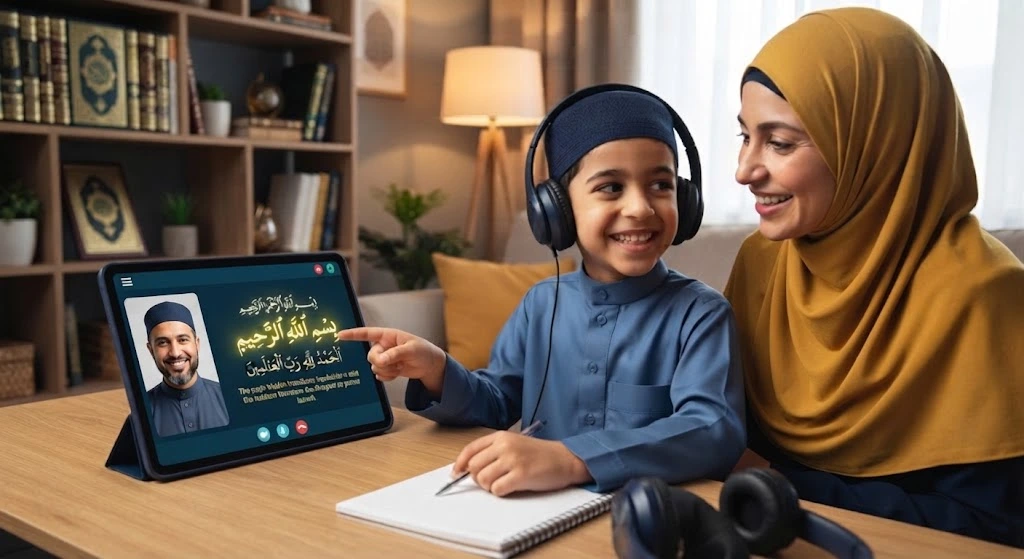
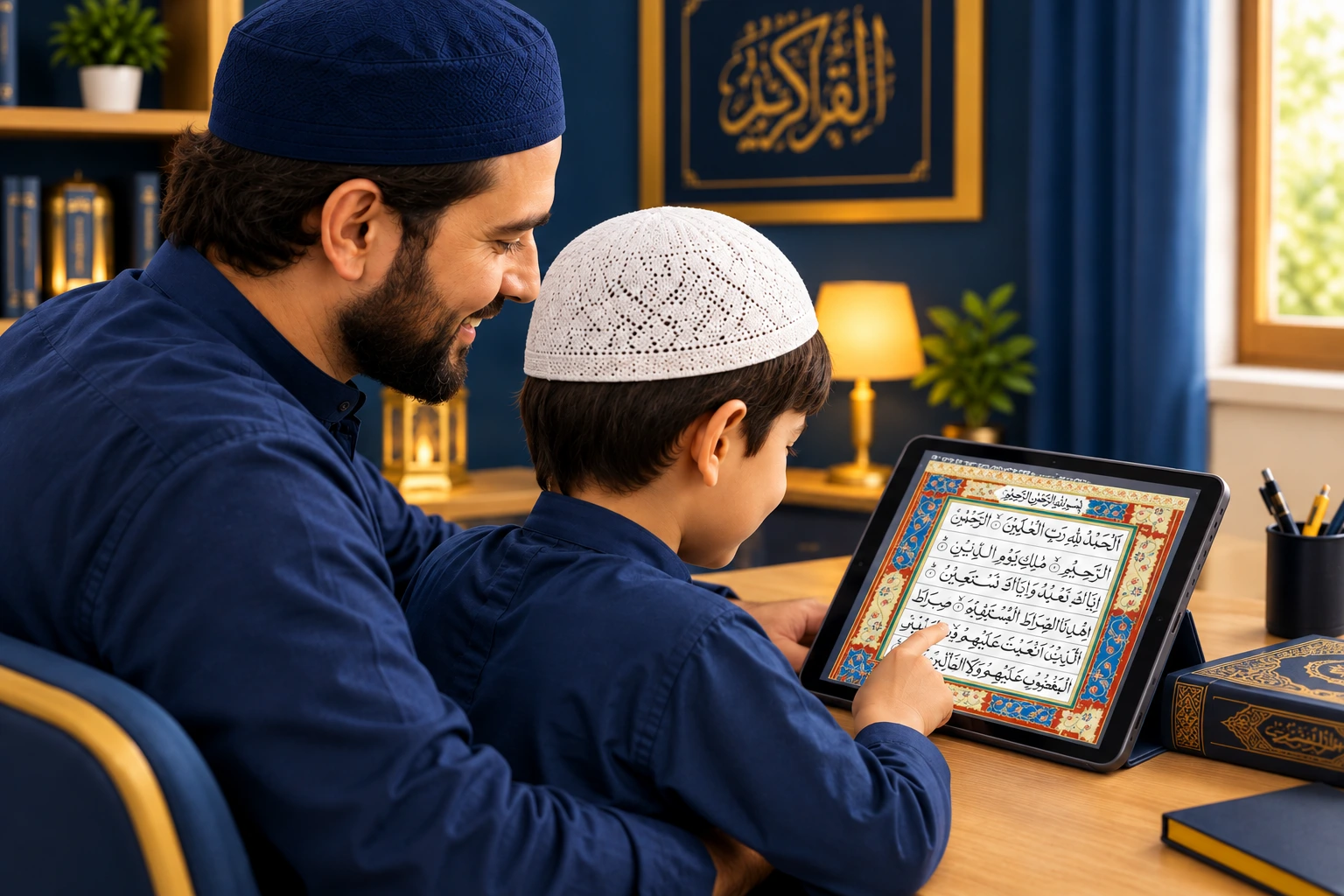
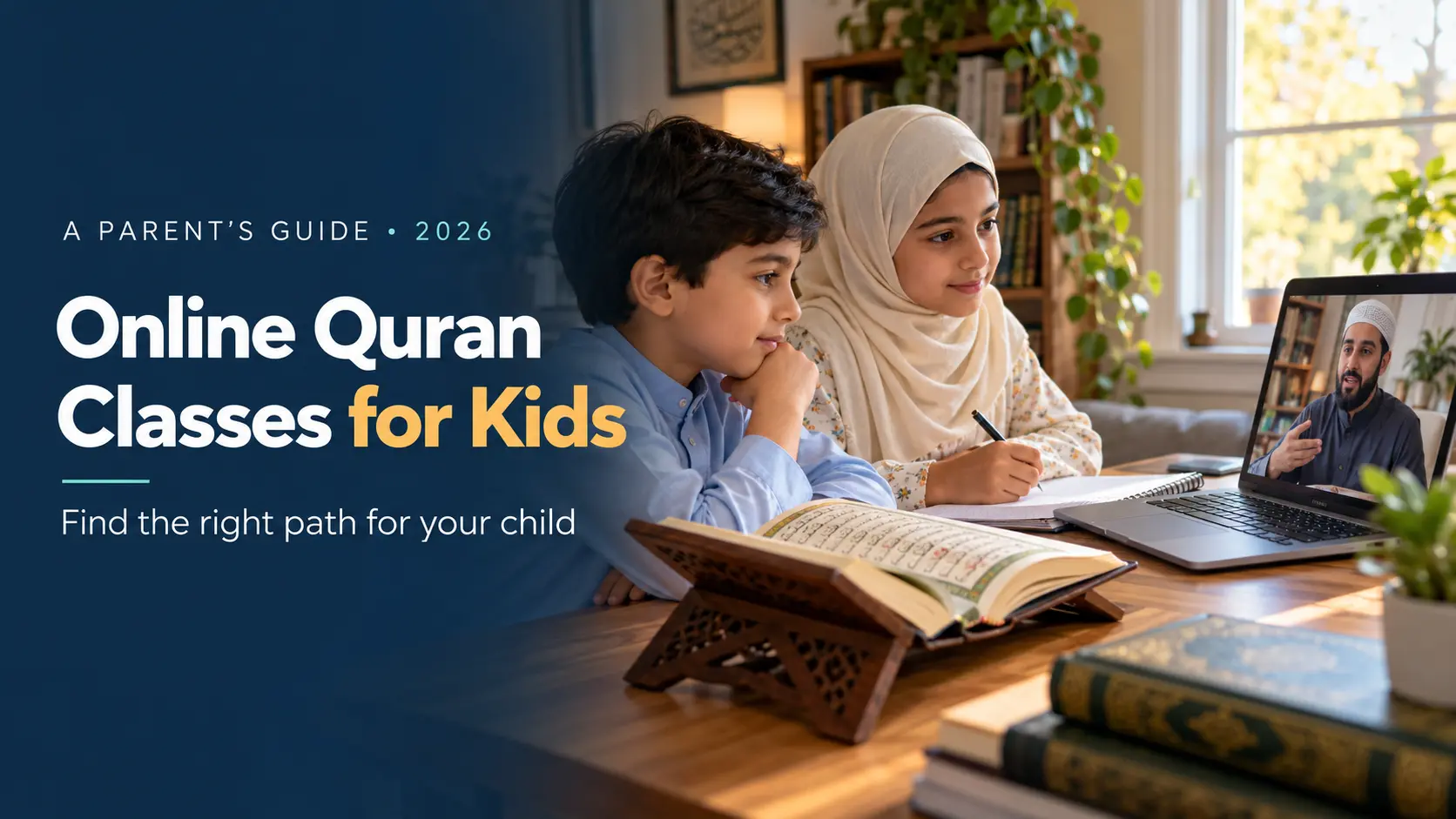
The Shift: Smart parents are adapting to the rhythm of modern life by bringing consistency right into their living rooms through interactive, one-on-one online Quran classes.
The Thinkable Moment: Imagine your child sitting down for just 20 focused minutes with a compassionate mentor who actually understands the Western mindset—building a love for Quran recitation without the burnout of running across town.
3. Move Beyond Memorization to Real Connection
If Islamic education feels boring or disconnected from their daily reality, kids will tune out. They need to see why their faith matters in 2026 America.
The Shift: Invest in structured online Islamic education programs that combine proper Tajweed, prophetic history, and modern life ethics in a way that clicks with a tech-savvy generation.
The Thinkable Moment: When they start connecting the dots between Quranic morals and the choices they make at school, religion stops being a rulebook and becomes their superpower.
The Bottom Line
Mastering islamic parenting in america isn’t about building a bubble to keep the world out. It’s about building an internal compass strong enough that they can walk into any room, face any peer pressure, and still know exactly who they are.